
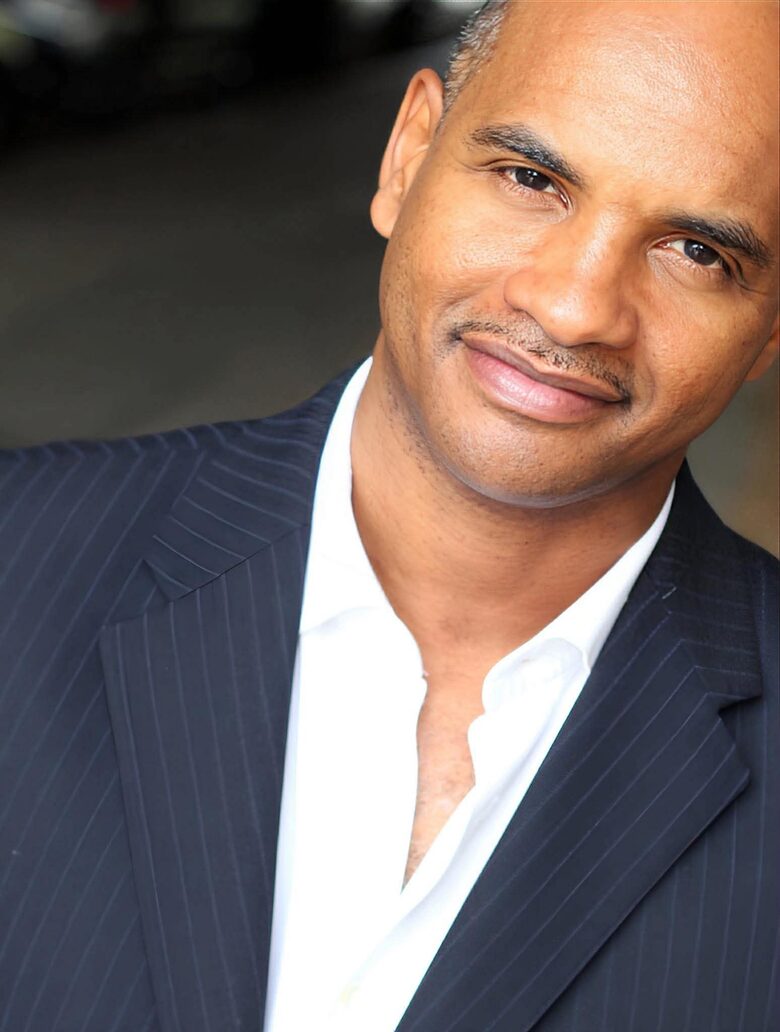
Where were you born and raised?
I was born in Nuremberg, Germany, and raised in the Republic of Panama.
How was life growing up?
I grew up as a military brat, my pops was in the army, served 23 years so moving around was just part of my life. Being raised oversees in Panama gave me a strong cultural foundation. So the music, the energy, and the diversity all influenced how I see the world. I didn’t come to the United States until I was 13, so I was exposed to a lot early on that shaped both my ear for music and my approach to people and business.
You were associated with the group Duice, whose hit “Dazzey Duks” was huge—what impact did that success have?
Duice was the group I used to launch my label, Tony Mercedes Records. “Dazzey Duks” went on to sell over 5 million singles and remained on the Billboard charts for 56 consecutive weeks. That level of success opened a lot of doors and created real momentum early on.
At the same time, my inexperience on the business side came at a cost. I often say, I’d rather have the money I lost through bad deals and inexperience than the money I actually made. People say the music business a learning experience. I just wish someone had told me how expensive the tuition would be.
How many projects did the group release?
Duice released only one album. Internal differences between members prevented a second project.
.Did the group part ways, or are they still together?
To be clear, I was never a member of the group. I worked with them on the business side. My role was financing the project, and helping build the opportunity and the platform around the record. As for the group, they eventually went their separate ways and pursued music independently.
As a music producer, you worked on Tag Team’s “Whoomp! (There It Is)”—what other songs have you produced?
I’ve never claimed to be a music producer. My involvement with Tag Team was helping them secure their deal with Bellmark Records. At the time, it seemed like the right move, but looking back, it’s something I regret because I didn’t fully understand the long-term side of that deal. That experience taught me a lot about the importance of knowing the business.
As a film producer, you worked on “Dog Patrol” and “The Thot Who Stole Christmas.” What was that experience like?
I executive produced Dog Patrol with my wife, Tamara Johnson, starring Cuba Gooding Jr., which means we financed the film. I also contributed to the script and served as a producer. The Thot Who Stole Christmas is still in pre-production. The plan is to shoot it this year, depending on whether a Tiffany Haddish children’s film title “Guest Who’s Adopted” that I originally wrote and am executive producing moves forward first.
How did you get into film producing?
I got into film after relocating from Atlanta, where I had built my career in music. After exiting LaFace Records as a senior label executive, reaching a certain level of success and winning just about every award I could in that space, I wanted a new challenge. Film and television felt like a natural transition, but it came with a learning curve. I had to start over in many ways, but the experience I gained in music helped me navigate it.
What is the name of your music publishing company?
Tony Mercedes Music.
What does your music publishing catalog include?
My catalog included titles like TLC’s “No Scrubs,” Ed Sheeran’s “Shape of You,” “Who Dat” by JT Money, “Splackavellie,” “What’s Up, What’s Up,” “My Baby Daddy,” “Dazzey Duks,” “Scarred” by Luke, and “God Don’t Play About Me,” among many others.
What are you currently doing these days?
These days, I’m pretty much retired from the day to day side of the business. I still stay involved when something interests me, whether it’s consulting or developing ideas, but overall I’m enjoying life at a different pace.
Where do you see yourself in the next two years?
At this point, it’s about being intentional. I’m open to the right opportunities, especially in film and creative projects, but I’m not chasing the bag anymore. It’s more about doing things that make sense and add value. Purpose before profits at this point in life.
What do you want your legacy to be?
My legacy is rooted in truth, perseverance, and perspective. I want to be remembered as someone who understood the music business from every angle—the wins, the losses, and the lessons that come with both, and who wasn’t afraid to speak honestly about it. Too many people only tell the success stories, but I believe the real value is in telling the whole story, including the mistakes, the setbacks, and the cost of not knowing the business side.
I’ve seen what success looks like at the highest level. Had records that sold millions, songs that became part of the culture, and moments that most people spend their entire lives chasing. But I’ve also experienced what it means to lose just as much as you win, especially when you’re navigating an industry that doesn’t come with a manual. That duality shaped my philosophy: there are no unsuccessful people in the music business, just those who quit before their time. Longevity, resilience, and the willingness to keep going matter more than any single hit record.
If my journey stands for anything, I want it to be a blueprint and a warning at the same time. A blueprint in the sense that it shows what’s possible, what building something from nothing, creating opportunities, and leaving a mark on the culture. And a warning in that it highlights how important knowledge, ownership, and business awareness really are. Talent alone isn’t enough, and success without understanding can be fleeting.
Beyond the accolades and credits, I want my legacy to be about impact and opening doors, sharing game, and giving people insight that I didn’t have when I started. If someone can learn from my experiences and avoid the pitfalls I faced, then everything I went through has a deeper purpose.
At the end of the day, I want to be remembered as someone who stayed true to himself, adapted when necessary, and never let the industry define his worth. My story isn’t just about music or film, it’s about endurance, evolution, and understanding that success isn’t a moment, it’s a mindset you carry for a lifetime.